PolicyState Policy
California's Reparations Initiatives: What Has Actually Changed?
We distinguish the state's recommendations and enacted measures from compensation delivered to eligible descendants.
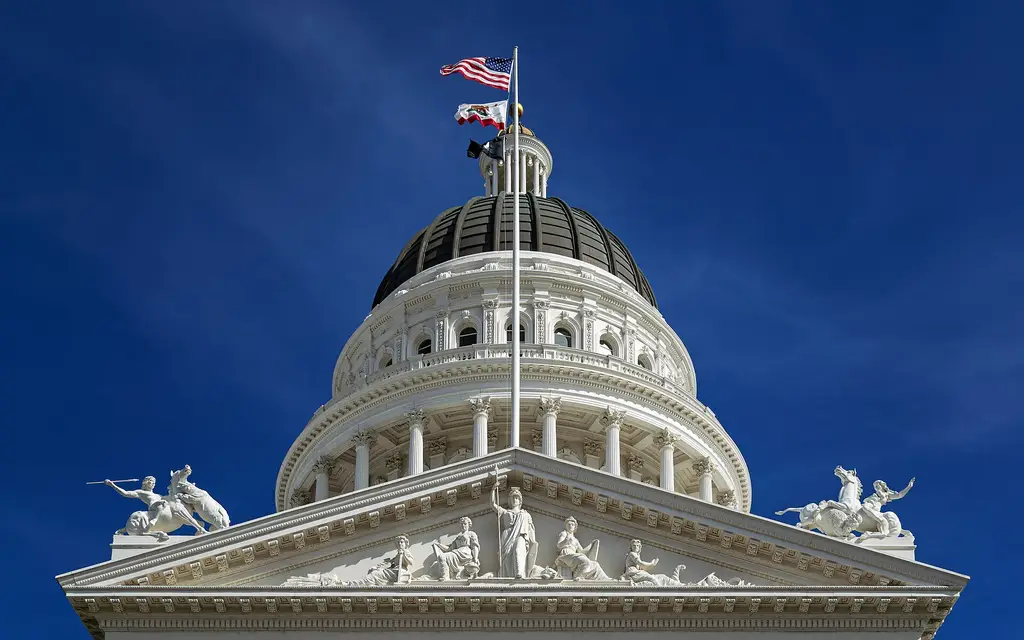
California has moved beyond studying reparations in several important ways: it has formally apologized for its role in slavery, enacted measures addressing racial discrimination, and established a legal framework for a Bureau for Descendants of American Slavery. But those developments must be distinguished from the delivery of compensation. A report, a signed law, an operating program, and a payment represent different stages of accountability.
For descendants seeking meaningful repair, the central question is what these actions will deliver—and when.
What the Task Force Recommended
California established its Reparations Task Force through Assembly Bill 3121 in 2020. On June 29, 2023, the task force released its final report documenting slavery’s enduring effects and proposing remedies for harms experienced by Black Americans in California.
The recommendations included:
- A formal acknowledgment and apology.
- Methods for calculating financial compensation.
- Policy changes addressing discriminatory systems.
- Public education about the history and consequences of these harms.
The report recommended an eligible community encompassing descendants of people subjected to chattel slavery and descendants of free Black people living in the United States before the end of the nineteenth century. These were recommendations for lawmakers to consider, rather than an enacted entitlement to payments.
The report created an official foundation for action. It did not automatically implement its proposed remedies.
What Has Become Law?
A formal state apology
In September 2024, Governor Gavin Newsom signed AB 3089 and an accompanying formal apology acknowledging California’s historical involvement in slavery and its enduring consequences. The legislation also provides for memorializing the apology with a plaque in the State Capitol.
That acknowledgment matters. It places responsibility within the state’s official record. Whether it produces lasting repair depends on the actions that follow.
Measures addressing ongoing discrimination
The 2024 legislative package included stronger protections concerning race and hairstyles, enforcement provisions for existing perinatal anti-bias training requirements, and a designation recognizing California Black-Serving Institutions in higher education.
These measures address specific conditions affecting Black Californians. Their effects should be evaluated individually: changes to civil-rights enforcement or institutional recognition do not themselves establish compensation for historical losses.
A bureau framework for descendants
Signed on October 10, 2025, SB 518 established the Bureau for Descendants of American Slavery within California’s Civil Rights Department.
The law provides for genealogy, education and outreach, and legal affairs divisions. It also establishes a framework for descendant certification and appeals, linked to the genealogy research process under SB 437. Crucially, implementation is contingent on sufficient legislative funding. Enactment alone does not establish that the bureau is fully staffed, accepting certification requests, or delivering benefits.
Genealogy research
California also enacted SB 437, allocating up to $6 million for California State University research into methods of verifying descent from people enslaved in the United States. This supports the development of eligibility procedures; it is separate from funding compensation payments.
What Did Not Become Law?
California’s legislative record also includes significant setbacks.
In 2025, Newsom vetoed proposals involving college admissions preferences for descendants of American slavery, a restitution process for racially motivated property seizures, and a dedicated share of a state homebuyer assistance program for descendants. The stated objections varied, including fiscal, administrative, and legal concerns.
These outcomes demonstrate why passing the Legislature cannot be treated as final enactment—and why an announced legislative package should not be described as a package of delivered benefits.
Recommendations, Laws, and Results Are Different
| Development | What it establishes | What it does not establish |
|---|---|---|
| Task force report | Findings and proposed remedies | An automatic right to compensation |
| Formal apology | Official acknowledgment of responsibility | Payment or restitution |
| Bureau legislation | A statutory framework for administration | Proof that services are operational |
| Genealogy research | Work toward verification procedures | Guaranteed eligibility for a particular benefit |
| Enacted policy reforms | Changes in specific areas of law | Completion of the broader reparations plan |
These distinctions follow from the task force’s advisory role and the scope of the enacted measures.
The Implementation Questions That Matter
The next stage requires answers people can use:
- Funding: What money has been appropriated, and for which purposes?
- Operations: Which offices and services are actually available?
- Eligibility: What documentation will applicants need, and how will incomplete historical records be handled?
- Benefits: What specific remedies has the state authorized?
- Timelines: When can eligible descendants apply and receive compensation or restitution?
- Accountability: What public reporting will show whether commitments are being fulfilled?
The task force’s recommended eligibility community and the definitions in later laws must also be examined separately. Readers should not assume that every initiative uses identical eligibility rules.
From Recognition to Repair
California’s initiatives have produced an official historical record, an apology, specific legal reforms, and a framework for future administration. Those developments deserve close scrutiny, alongside the proposals that stalled or were vetoed.
For Reparations News, the standard is concrete: identify what was recommended, what became law, what received funding, and what compensation or restitution reached eligible descendants.
Historical accountability becomes meaningful when public commitments produce measurable repair.
Explore California's Reparations Report
Follow Reparations Legislation
Learn How to Support the Cause
See the receipts · 1 primary sources
Civic action dispatch
Now act on it
A debt documented is not yet a debt collected. See it, prove it, force it.
- 01Federal + state bills
Step 01 · Monitor
Track the bills
Follow active reparations measures in Congress and the states.
Open tracker - 023,142 counties
Step 02 · Document
Verify the receipts
Find slave schedules, Freedmen's records and land deeds in your county.
Search your county - 03Scripts + caucuses
Step 03 · Mobilize
Organize your district
Call your lawmaker, reach your Black Caucus and start a local group.
Get the playbook
Priority action · 30 seconds
Call your state lawmaker today
Copy the script, then find your representative's number on the community page.
The Reparations Brief
Stay Informed.Stay Connected.Know Your History.
Get important reparations developments, historical research, legislative updates, and original reporting delivered to your inbox.
We use your email only to send The Reparations Brief. Unsubscribe anytime. See our Privacy Policy.