Start Here · A Ten-Minute Primer
Reparations,Explained in Five Answers
Who the debt is owed to, how it is measured, and where the fight for repair stands today.
What reparations are — and are not
Reparations are repayment of a debt the United States incurred through slavery and the laws that followed it. They are an inheritance owed, not charity or a social program.
- A remedy for documented, government-backed harm
- Owed to the descendants of the people harmed
- Measured in records: wages withheld, land taken, wealth blocked

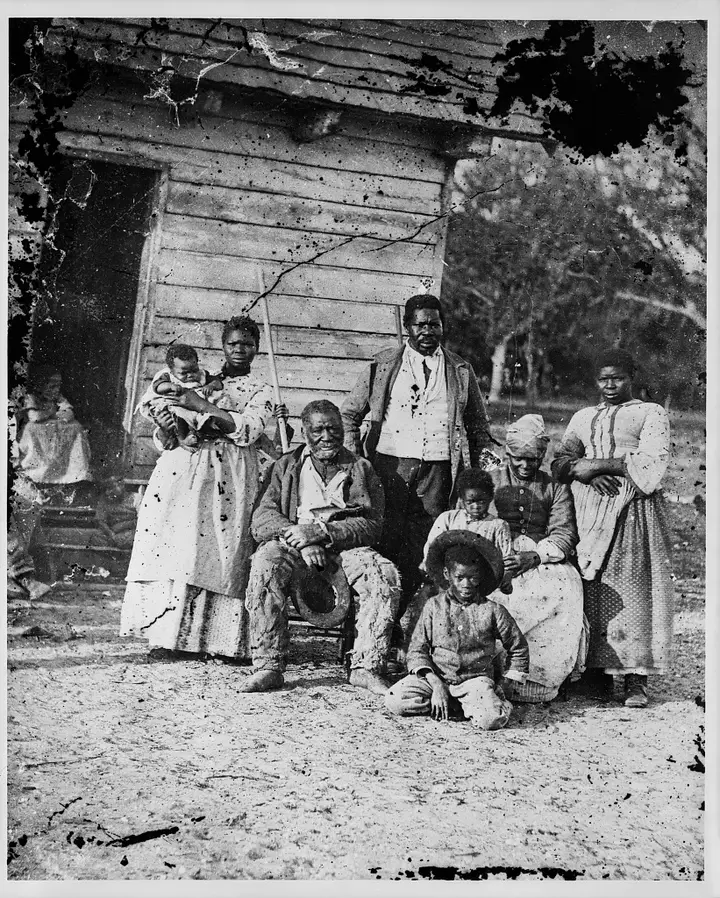
Delineation: who the debt is owed to
Delineation means defining eligibility by lineage — descent from people enslaved in the United States — so a remedy reaches the specific group that was harmed.
- Eligibility follows family records, not skin color
- Prevents a remedy from being diluted across groups with different histories
- California's task force adopted a lineage standard in 2022

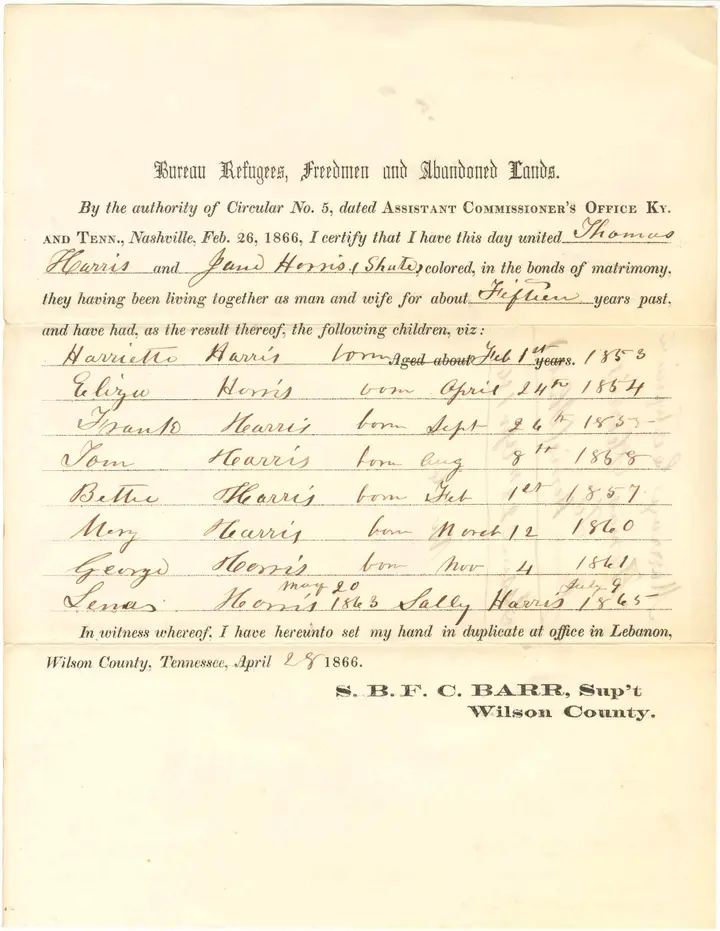
Lineage vs. race
Race is a broad category. Lineage is a documented family line. A lineage-based program asks, ‘Is your ancestor on the record of those enslaved here?’ — a question courts treat very differently from race.
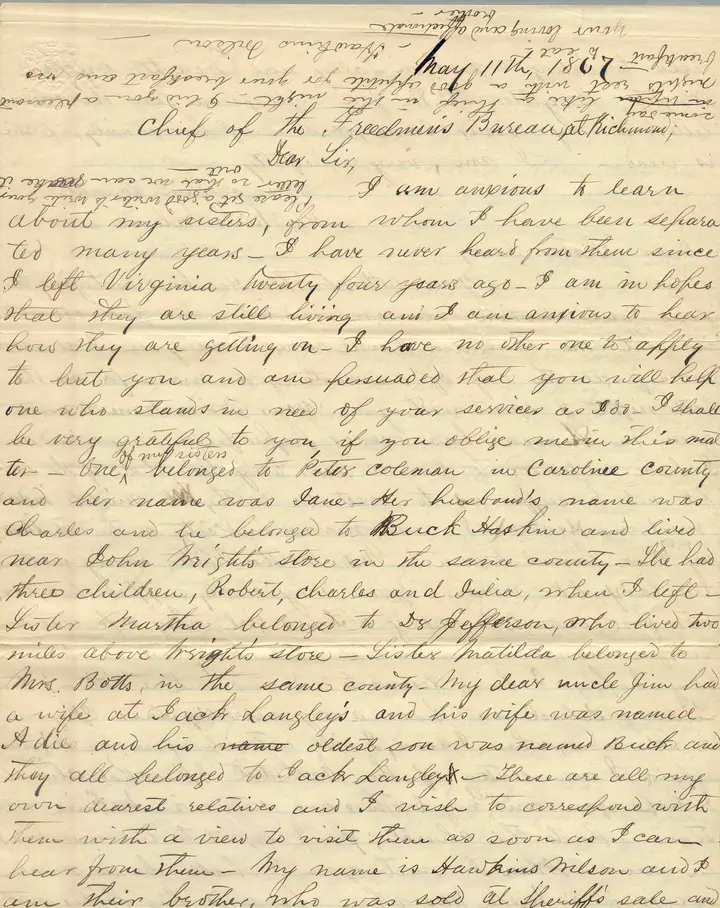
- Lineage claims rest on census, Freedmen's Bureau and property records
- The 1870 census is the first to name most freed people
- A lineage standard is easier to defend legally than a race-based one

How the federal debt is calculated
Estimates add up specific harms — unpaid labor, land loss, Jim Crow exclusion, redlining — then carry them forward with interest to today's dollars. Totals range into the trillions depending on method.
- Start with the value of uncompensated labor, 1619–1865
- Add later losses: land, wages, housing and credit exclusion
- Compound to present value; compare to the current racial wealth gap


Where the fight stands in law
H.R. 40 would create a federal commission to study and propose reparations; it has never received a House floor vote. States like California have studied the issue and passed limited measures.
- H.R. 40 first introduced in 1989
- California's task force issued its final report in 2023
- Track every bill's status in our Legislation Tracker

Your next three steps
Step 1
Read the primer →Five short answers to the questions every newcomer asks.
Step 2
Check the receipts →The documents behind the debt, linked to their archives.
Step 3
Track the bills →Every federal and state measure, updated daily.
Unfamiliar term? See the glossary.
The Reparations Brief
Stay Informed.Stay Connected.Know Your History.
Get important reparations developments, historical research, legislative updates, and original reporting delivered to your inbox.
We use your email only to send The Reparations Brief. Unsubscribe anytime. See our Privacy Policy.
Civic action dispatch
Now act on it
A debt documented is not yet a debt collected. See it, prove it, force it.
- 01Federal + state bills
Step 01 · Monitor
Track the bills
Follow active reparations measures in Congress and the states.
Open tracker - 023,142 counties
Step 02 · Document
Verify the receipts
Find slave schedules, Freedmen's records and land deeds in your county.
Search your county - 03Scripts + caucuses
Step 03 · Mobilize
Organize your district
Call your lawmaker, reach your Black Caucus and start a local group.
Get the playbook
Priority action · 30 seconds
Call your state lawmaker today
Copy the script, then find your representative's number on the community page.