The Reporting Desk · Campus
Campus & Young Organizers
The debt did not begin with your generation. The work of documenting it, organizing around it and demanding payment belongs to this one, too.
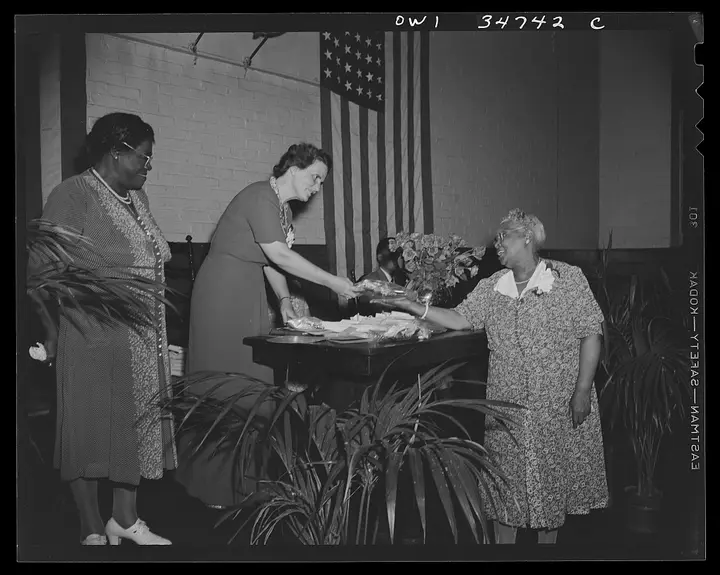
Lineage. Records. Collective action.
Turn a campus conversation into a documented demand.
HBCU students, community-college organizers and young researchers can connect family history, institutional records and legislative accountability. General racial-equity programs are not the same as restitution for descendants of American slavery.
Find your lawmakerStart with a small, accountable group
Define the demand
Write down whom the debt is owed to, which institution you are addressing and what compensation you seek. Do not confuse a scholarship proposal with a reparations settlement.
Share the work
Choose a records researcher, a legislative contact and a meeting coordinator. Ask student affairs about recognition, room reservations and accessibility; campus rules vary.
Protect the people
Keep attendance and family records private. Ask permission before sharing names, photos or lineage documents. Do not require classmates to publish sensitive ancestry records.
Follow the records, not the branding
Your campus archive
Ask the university archivist about founding donors, land acquisitions, trustee records, endowments and ties to slavery. Record the collection, date, page and stable link. Distinguish verified evidence from an unanswered research question.
Universities Studying Slavery · University of Virginia ↗Your family's archive
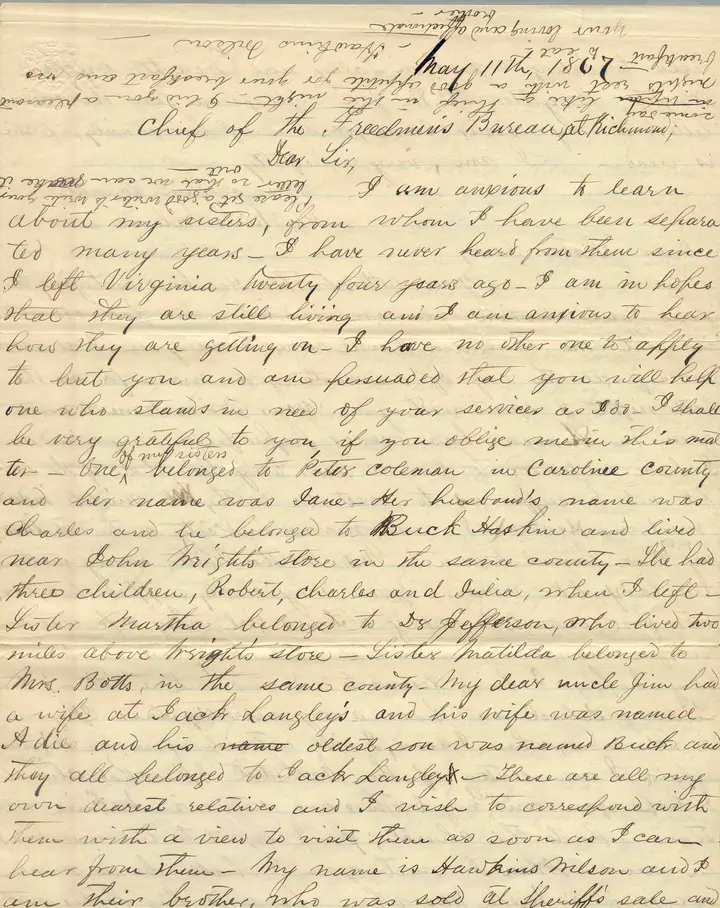
Work backward through census, marriage, probate and land records. The 1870 census is a starting point, not automatic proof of eligibility for any future program. Keep citations and document uncertainty.
Trace the 1870 Line →Bring a bill number and a specific ask
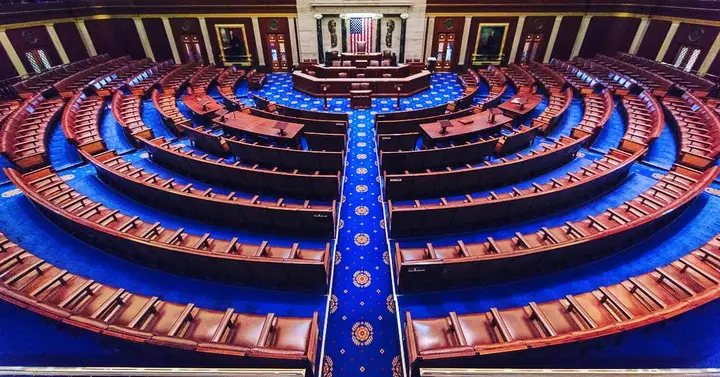
Confirm the bill number, legislative session, current text and committee on the legislature's official website. A student-government resolution can establish a campus position; it does not enact state or federal compensation.
Request a meeting with your district representative and the relevant Black Caucus office. Ask whether they support compensation, which committee controls the bill and what action they will take before the next deadline.
Organize a reading session, prepare sourced testimony and keep a public log of official replies. Before a rally, check campus requirements and local permit rules. Protect participants' privacy and access.
We are students organizing around the debt owed to descendants of American slavery. We request a public meeting on [bill number and session], your position on compensation, and a written answer on the next committee hearing or vote. Our district is [district], and our supporting records are [links].
Read before you organize
Send a campus dispatch
Have a student resolution, archive discovery, public hearing or organizing effort the newsroom should examine? Send the institution, date, public source links and a contact for follow-up. Share documents only when you have permission; do not send private family records.
Contact the newsroom Back to the campus deskCivic action dispatch
Now act on it
A debt documented is not yet a debt collected. See it, prove it, force it.
- 01Federal + state bills
Step 01 · Monitor
Track the bills
Follow active reparations measures in Congress and the states.
Open tracker - 023,142 counties
Step 02 · Document
Verify the receipts
Find slave schedules, Freedmen's records and land deeds in your county.
Search your county - 03Scripts + caucuses
Step 03 · Mobilize
Organize your district
Call your lawmaker, reach your Black Caucus and start a local group.
Get the playbook
Priority action · 30 seconds
Call your state lawmaker today
Copy the script, then find your representative's number on the community page.