Take ActionPublic Hearings
How to Testify at a Public Hearing
Signing up, preparing remarks and submitting written testimony.
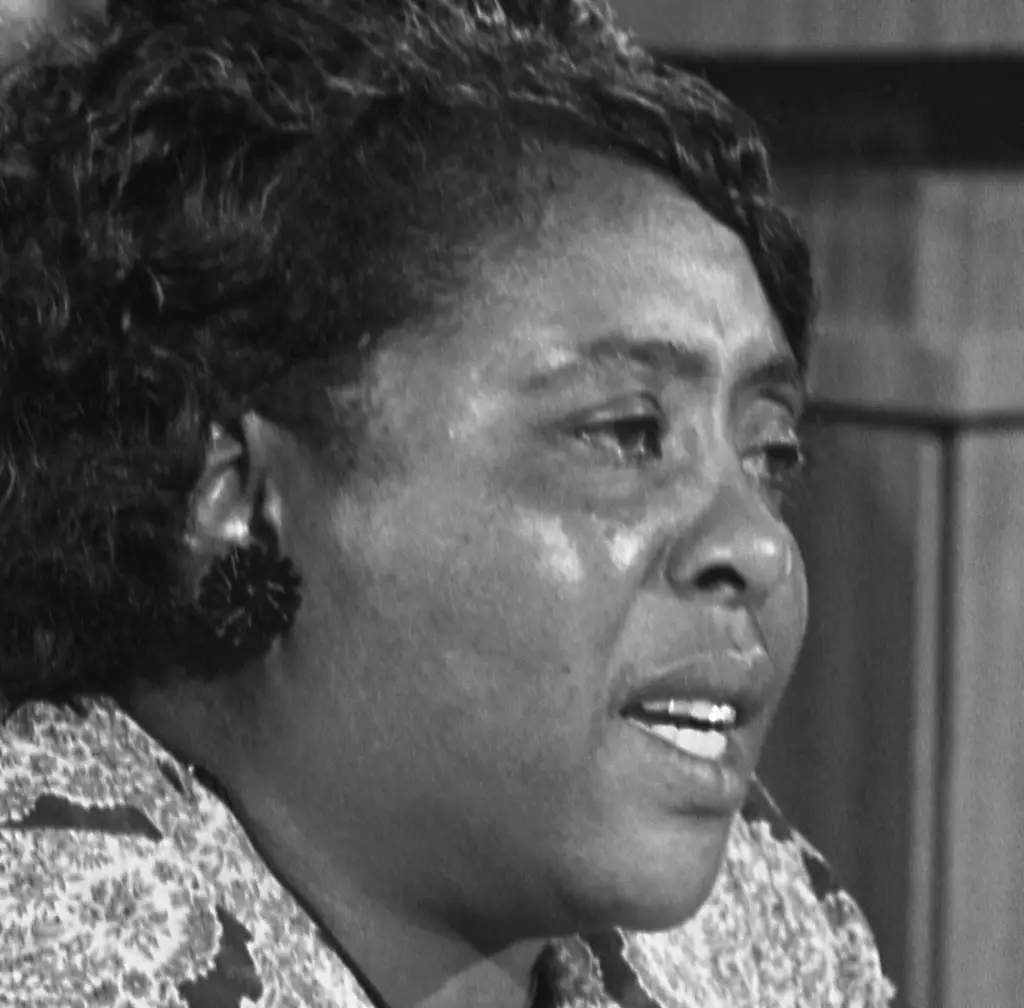
To testify effectively, confirm the hearing accepts public participation, follow its registration rules and prepare a clear request supported by reliable facts. Submit written testimony separately when permitted. An open hearing does not automatically give every attendee a speaking slot.
Reparations testimony can connect historical responsibility to a decision. It should not require exposing private family records or promising that participation will produce compensation.
Find the official notice first
Start with the government body’s hearing page, not a reposted flyer. Confirm the committee, agenda item, date, time, location and remote-access instructions.
Check whether it offers public comment, invited testimony, written submissions or a combination. Congressional hearings and local commission meetings operate differently.
Ask the clerk whether registration is required, its deadline, the speaking limit and whether separate written comments are accepted. Ask about accessibility and language assistance. Save the instructions and check them again before attending; agendas and procedures change.
The Senate calendar provides schedules, but the relevant committee’s instructions determine participation.
Follow that body’s rules
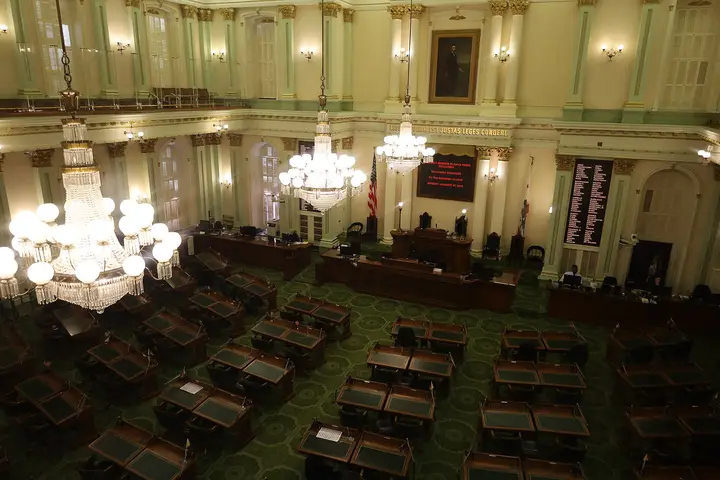
California Assembly committee guidance illustrates why verification matters. Some committees direct submissions through an electronic advocacy portal and warn that written testimony may be read into the record or reprinted. Others publish advance deadlines and distinguish primary witnesses from members of the public.
These are examples, not nationwide rules. Do not assume another committee uses the same portal, deadline or format. Send a procedural question when instructions are unclear and retain the reply.
Request accommodations early enough for staff to consider them. Do not treat a request as confirmed until the body responds.
Build remarks around one decision
Read the proposal and identify what this body can decide. Structure the testimony around your position, one relevant fact or personal observation, its policy consequence and one action you want taken.
Identify our claim clearly: reparations owed to descendants of people enslaved in the United States, grounded in federal responsibility for stolen labor and denied inheritance. A local body cannot settle that national debt alone. It can act within its jurisdiction, preserve records or make recommendations.
Separate historical evidence, interpretation and personal experience. A broad racial disparity does not prove one family’s legal eligibility. The clearer those distinctions, the stronger the submission.
Write for the clock
Prepare a short spoken version and a fuller written version. Read aloud with a timer, allowing pauses and interruptions. Place the request near the beginning so it survives a shortened speaking period.
This model opening is not an actual witness quotation:
I ask this body to distinguish general assistance from reparations owed to descendants of United States slavery. Please explain how the proposal identifies beneficiaries, addresses documentation barriers and connects recommendations to funded action.
Replace this language with the decision before the body. Do not read a generic appeal if the hearing concerns a specific provision you have not examined.
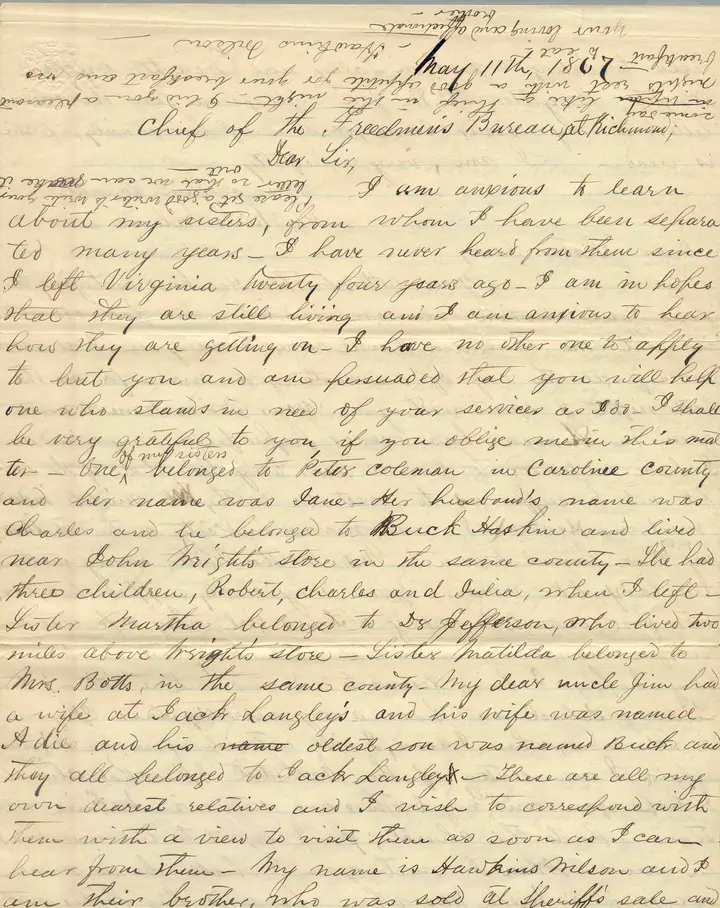
When describing family experience, state what you personally know and what records establish. Avoid turning an unverified account into an allegation against a named person. How to Read a Reparations Task Force Report helps assess recommendations before responding.
Treat testimony as potentially public
Assume remarks may be recorded, livestreamed, transcribed or quoted. Written comments may also become public.
Exclude Social Security numbers, full birth dates, bank details, DNA reports and unredacted vital records. Obtain permission before identifying living relatives. If registration requires an address, ask whether it will be published and whether a less identifying public version is allowed. Do not provide false information.
Submit only what supports the argument. You can describe documented history without uploading every certificate. Preserve originals and provide necessary copies only through authorized channels.
Preserve the record and follow through
Arrive early or test the remote connection. Follow the chair’s directions and stop when asked. An exchange with a member is not guaranteed.
Save your submission, receipt and agenda. Check official minutes, recordings or transcripts when available; congressional transcripts can take time. If you discover a factual error, ask the clerk how to submit a correction. An email does not automatically amend the record.
Testimony is evidence and advocacy, not a benefits application. It guarantees neither policy change nor eligibility. Continue with a focused request to the responsible office using How to Contact Your Representatives.
See the receipts
See the receipts · 2 primary sources
Civic action dispatch
Now act on it
A debt documented is not yet a debt collected. See it, prove it, force it.
- 01Federal + state bills
Step 01 · Monitor
Track the bills
Follow active reparations measures in Congress and the states.
Open tracker - 023,142 counties
Step 02 · Document
Verify the receipts
Find slave schedules, Freedmen's records and land deeds in your county.
Search your county - 03Scripts + caucuses
Step 03 · Mobilize
Organize your district
Call your lawmaker, reach your Black Caucus and start a local group.
Get the playbook
Priority action · 30 seconds
Call your state lawmaker today
Copy the script, then find your representative's number on the community page.
The Reparations Brief
Stay Informed.Stay Connected.Know Your History.
Get important reparations developments, historical research, legislative updates, and original reporting delivered to your inbox.
We use your email only to send The Reparations Brief. Unsubscribe anytime. See our Privacy Policy.