Reparations News
Who Has Received Reparations?
Historical precedents for government compensation — and how they differ from claims arising from American slavery.
Compensation has taken several forms
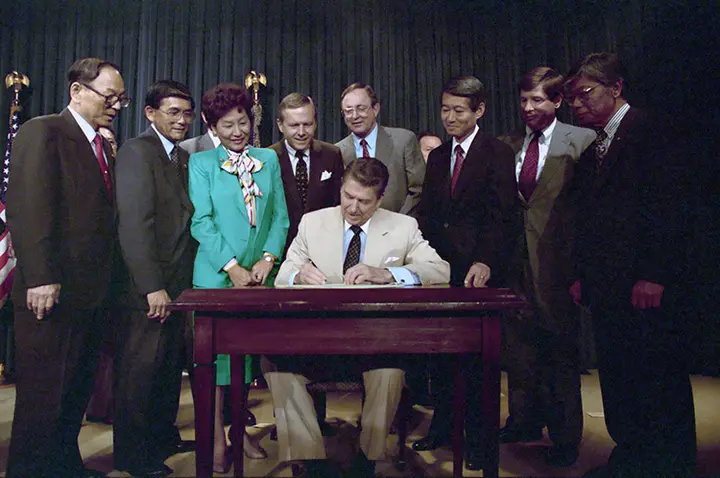
The Civil Liberties Act of 1988 provided an apology and $20,000 payments to eligible survivors of specified Japanese American wartime confinement and relocation. It did not establish a general entitlement for all descendants. Germany’s response to Nazi persecution combined international agreements, individual compensation and property restitution through different programs.
The Cobell settlement addressed the United States’ administration and accounting of individual Indian trust assets. Bruce’s Beach concerned returning a specific property to legal heirs. These examples show that governments can create material remedies; they do not discharge the debt arising from American slavery.
Compare obligations, not suffering
A useful comparison asks who owed the obligation, what injury was covered, how eligibility was established and what recipients actually received. It does not ask descendants of American slavery to accept another community’s payment amount or beneficiary rules. Ownership, payment and enforceable benefits are distinct from commemorations and statements of regret.