Reparations News
Foundational Black Americans
Understanding lineage, identity and eligibility in contemporary reparations discussions.
Lineage identifies the claim
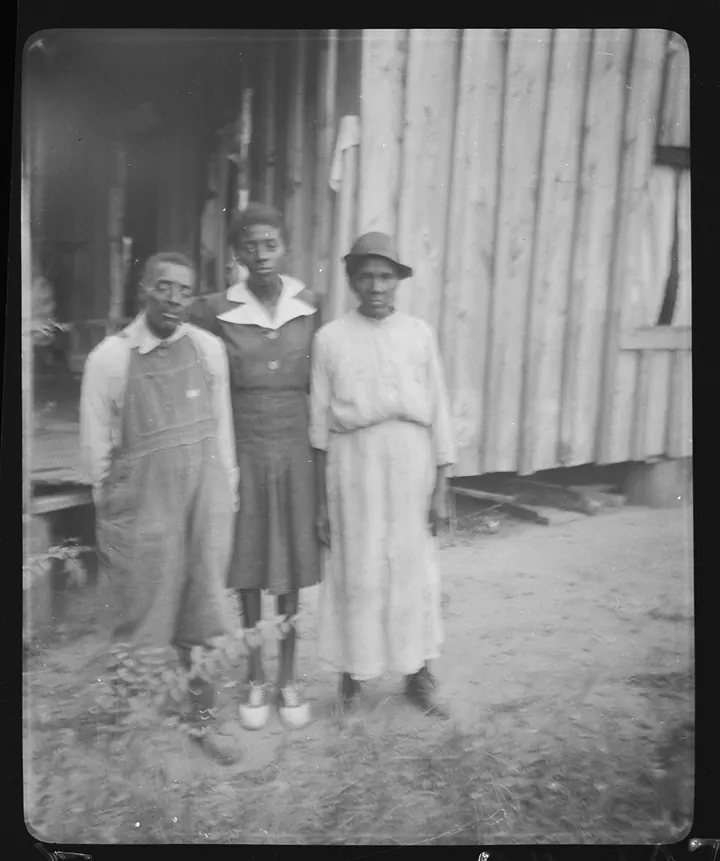
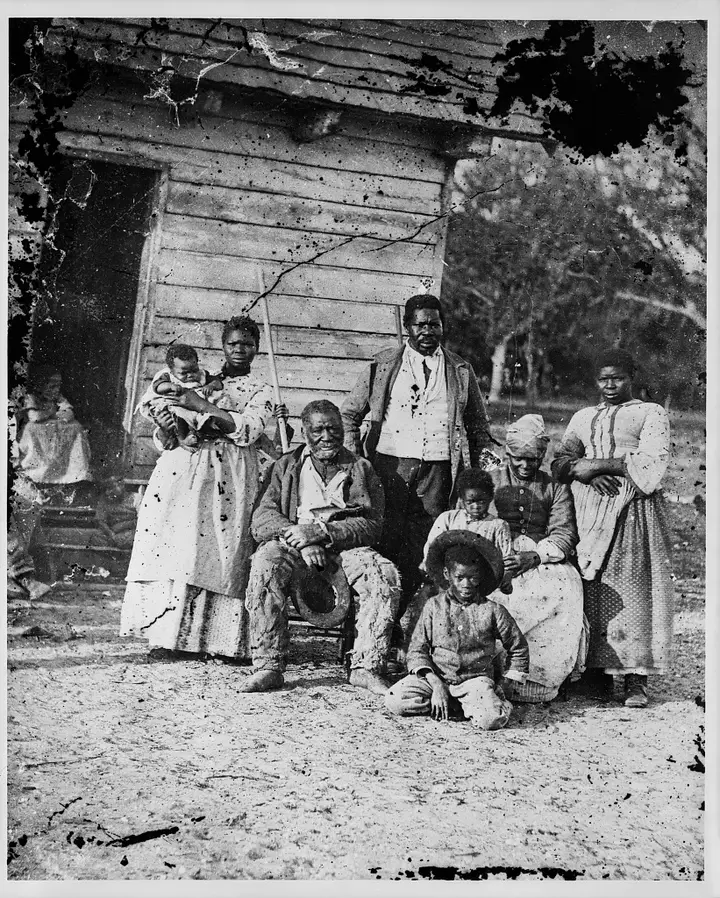
Foundational Black American is used here as a lineage-centered description of descendants of people enslaved in the United States. It is not a government certificate, nor a statement that all Black populations have identical ancestry. The historical claim concerns labor, ownership and inheritance denied within the American system of slavery.
Income does not establish ancestry, and a broad racial category does not document a chain of descent. Our editorial framework treats reparations as restitution owed to descendants, rather than a poverty program whose beneficiaries change with household earnings.
Documentation must be fair and accessible
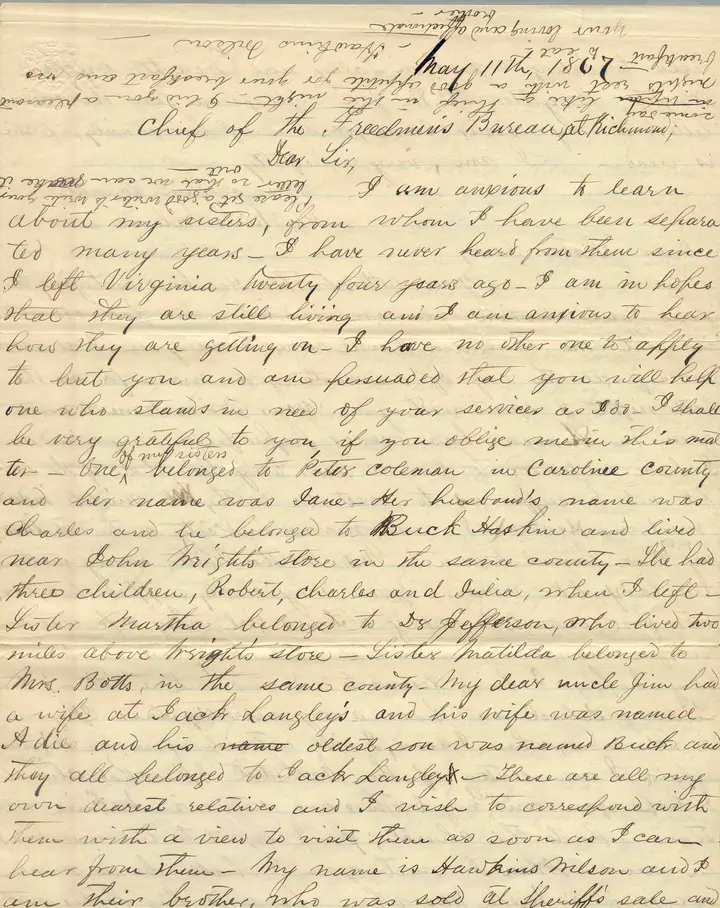
Census records, vital records, probate documents and Freedmen’s Bureau files can help connect generations. Slavery fragmented families and records, so a credible process needs research assistance, transparent evidence standards and appeals. Neither a surname nor a DNA ethnicity estimate independently proves descent from a specific enslaved ancestor.
No future eligibility rules should be invented in advance. Family-history research does not guarantee a payment, and unofficial lists promising guaranteed reparations are not a substitute for an enacted program. The federal obligation and the administrative question of identifying beneficiaries must both be addressed.