PolicyReparations Explained
The 5 Requirements of Reparations
Restore What Was Taken. Repair the Harm. Protect the Future.
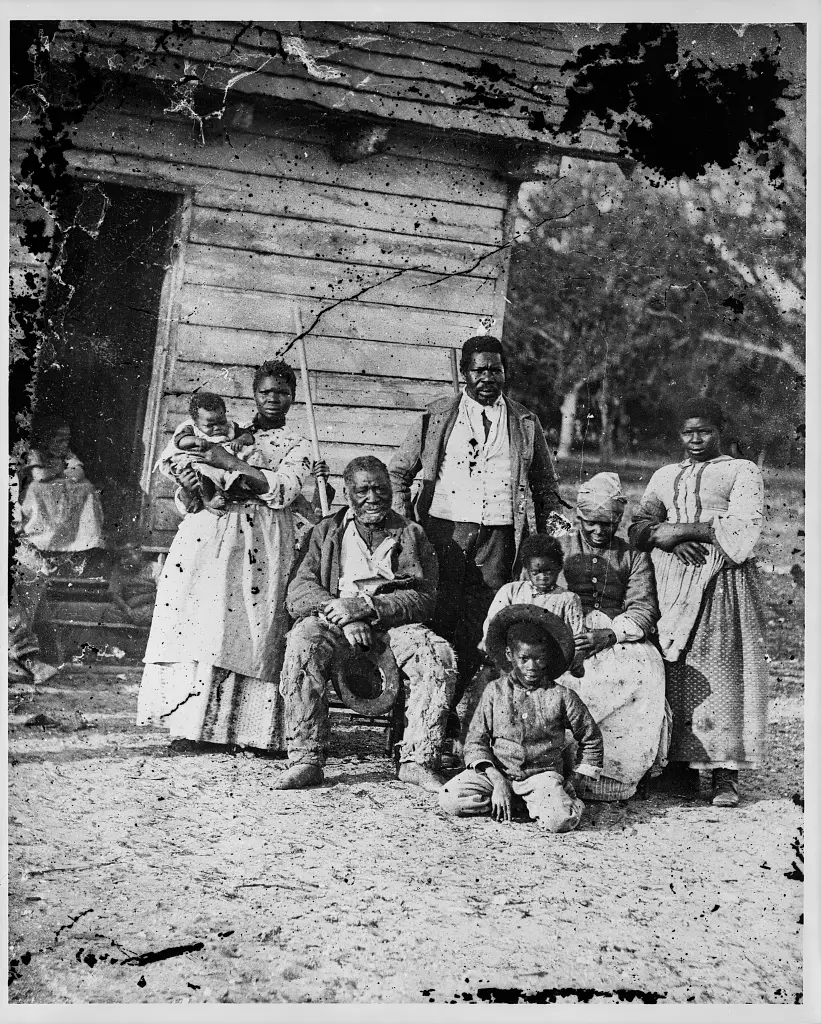
A framework for understanding what meaningful reparations should accomplish for descendants of Black Americans enslaved in the United States.
How do we measure whether a reparations proposal delivers meaningful repair?
Start with five essential questions:
- What will be restored?
- How will people receive support to heal?
- What losses will be compensated?
- How will the truth be acknowledged?
- What will prevent the harm from happening again?
These questions reflect five recognized forms of reparation: restitution, rehabilitation, compensation, satisfaction, and guarantees of non-repetition. The United Nations General Assembly included them in its 2005 Basic Principles and Guidelines on the Right to a Remedy and Reparation.
At Reparations News, we apply these five pillars to the government’s debt to descendants of American slavery. Reparations are owed restitution and inheritance, not charity or a means-tested benefit.
Explore the Five Pillars Follow Reparations Updates
Understanding the Framework
This page calls them “requirements” because they provide a standard for evaluating comprehensive repair. The UN framework describes them as forms of reparation, applied according to the violations and circumstances involved.
The framework does not itself establish a U.S. slavery reparations program, determine eligibility, or set payment amounts. It provides principles for assessing what repair should include.
The examples below describe possible applications to reparations for descendants of people enslaved in the United States. They are policy possibilities, rather than benefits established by the UN resolution.
1. Restitution
Restore what was wrongfully taken.
Restitution seeks to restore a person’s situation before a violation, wherever possible. It can include returning property and restoring rights.
For descendants of American slavery, this raises a difficult question: How can a country restore what generations were prevented from owning, keeping, or passing down?
No policy can return the years people spent enslaved. But identifiable property losses, denied rights, and dispossession can still be investigated and addressed.
What this could look like
- Returning land or property where wrongful dispossession can be documented.
- Resolving title problems that prevent families from retaining inherited property.
- Providing legal assistance to pursue restitution claims.
- Restoring rights denied through discriminatory government actions.
- Establishing remedies when the original property cannot be returned.
From the settlement: land and debt
- A sovereign county or land base. Fulfil the promise of Special Field Order No. 15 by transferring federal land holdings to descendant self-governance — restoring the land base that was granted in 1865 and taken back.
- Debt cancellation. Wipe federally held student, small-business and housing loans that descendants carried because they started from zero inherited wealth. Cancelling them is restitution, not relief.
The question to ask:
Does this proposal restore something that was taken, or remedy a specific loss when restoration is impossible?
2. Rehabilitation
Provide the resources needed to heal.
Rehabilitation addresses the effects of violations through medical and psychological care, legal assistance, and social services.
A reparations program can recognize harm to health, well-being, and community life alongside financial losses. Its services should respond to documented needs and give affected people meaningful choices.
What this could look like
- Accessible mental health care responsive to experiences of racial harm.
- Medical services tied to identified health consequences of discriminatory treatment.
- Legal support for people seeking remedies.
- Family and community support services.
- Sustained funding for providers trusted by affected communities.
These services should be developed with the people they are intended to serve.
From the settlement: education
- Free higher education and trade training. Fully funded tuition at public universities, HBCUs and vocational academies, reversing generations of education bans and segregated schooling and building earning power that compounds across generations.
The question to ask:
Does this proposal provide practical, accessible support for recovery from the harms it identifies?
3. Compensation
Pay for the losses.
Compensation addresses harm that can be financially assessed, including lost income, lost opportunities, and physical or mental injury.
In the American reparations debate, compensation requires serious examination of the economic losses attributed to enslavement and subsequent discriminatory policies.
Determining an amount requires transparent evidence, a clear method, and defined eligibility. Different proposals may measure different harms; the public should be able to understand what each calculation includes.
What this could look like
- Direct monetary payments to eligible descendants.
- Compensation for documented property or income losses.
- Payments addressing specific discriminatory government policies.
- Transparent methods for estimating losses across generations.
- Clear payment schedules, accessible applications, and fair appeals.
From the settlement: paying it without “bankrupting” the country
- A structured federal payment plan. Scheduled payments over 10–30 years, funded by dedicated reparations bonds in the tradition of war bonds and Social Security, instead of an impossible single lump sum.
- A federal tax exemption for Foundational Black Americans. A lineage-verified income tax exemption that stays in place until the racial wealth gap is closed, returning wealth through revenue forgone rather than new federal borrowing.
These tools answer the claim that reparations would bankrupt America. See the full breakdown in Would Reparations Bankrupt America? How the Debt Can Be Paid.
Reparations News’s position: government-funded direct compensation to descendants of American slavery is essential. Services, studies, and apologies cannot substitute for payments owed.
Recipients should have meaningful control over how they use their compensation.
The question to ask:
Does this proposal compensate the people harmed, and explain clearly how the amount was determined?
4. Satisfaction
Tell the truth. Accept responsibility. Honor the people harmed.
“Satisfaction” has a specific meaning in this framework. It includes measures such as public acknowledgment, apologies, memorials, and accurate education about violations.
For reparations in the United States, this means confronting the history of enslavement and the institutions that sustained it, while honoring the lives, resistance, and contributions of those subjected to it.
What this could look like
- Formal apologies that identify wrongdoing and accept responsibility.
- Public investigations and accessible historical records.
- Memorials honoring enslaved people and affected communities.
- Educational materials that accurately explain the violations.
- Institutional acknowledgment of participation in, or benefit from, those harms.
An acknowledgment should be specific enough to make responsibility clear.
From the settlement: recording the debt
- A sovereign debt acknowledgment. Formally enter the roughly $14 trillion liability into the public record as an unpaid national debt and inheritance owed — permanently retiring the false framing of reparations as charity, welfare or a handout.
The question to ask:
Does this proposal establish an honest public record and acknowledge who was responsible?
5. Guarantees of Non-Repetition
Build protections that prevent the harm from recurring.
Guarantees of non-repetition address the laws, institutions, and practices that allow violations to occur. They can include legal reform, independent oversight, and stronger accountability.
For American reparations proposals, this means identifying the mechanisms behind the harm and creating enforceable protections against their recurrence.
What this could look like
- Stronger enforcement against discrimination in housing, lending, and employment.
- Protection of voting rights and equal access to public services.
- Independent oversight of institutions responsible for identified harms.
- Public reporting that measures whether reforms are working.
- Accessible remedies when violations occur.
- Stable funding and clear responsibility for implementation.
A promise to do better needs institutions capable of making it real.
From the settlement: protecting the payment
- Protected trust funds and a lineage firewall. Enforceable legislative covenants, lineage verification and dedicated trusts that future administrations cannot dismantle, raid or reallocate to other groups or programs.
The question to ask:
What enforceable changes will prevent the same harm from happening again?
Five Pillars. Five Tests for Meaningful Repair.
| Pillar | What it should accomplish | Settlement tools |
|---|---|---|
| Restitution | Restore property, rights, or circumstances where possible. | Sovereign county or land base; cancellation of federally held debt |
| Rehabilitation | Support recovery from the harm. | Free public higher education and trade training |
| Compensation | Pay for financially assessable losses. | 10–30 year payment plan with reparations bonds; lineage-verified tax exemption |
| Satisfaction | Establish truth, acknowledge responsibility, and honor those harmed. | Formal acknowledgment of the debt as an unpaid national liability |
| Guarantees of Non-Repetition | Reform the systems that allowed the violations. | Protected trust funds and a lineage firewall |
Together, these tools show how the debt can be paid in full without breaking the Treasury. Read Would Reparations Bankrupt America? How the Debt Can Be Paid.
A proposal may be stronger in some areas than others. These five pillars help readers identify what it delivers, what it leaves unresolved, and what further action is needed.
Test any policy with the 5 Requirements Evaluator
How to Evaluate a Reparations Proposal
Before accepting a headline or political promise, examine the details:
- Who qualifies? Are eligibility rules clear and connected to the harms being addressed?
- What is being repaired? Does the proposal identify specific violations and losses?
- Who receives the benefit? How much reaches eligible individuals and affected communities?
- Who decides? Do affected people have meaningful influence over the program?
- How is it funded? Are resources committed and sufficient for the promised remedy?
- When will it happen? Are there deadlines and accountable agencies?
- How can decisions be challenged? Is there an accessible appeal process?
- How will results be measured? Can the public track delivery and outcomes?
The name of a program is only the beginning. Its design, funding, and results reveal what it actually repairs.
Follow the Work of Repair
Reparations News examines proposals through the questions that matter: what they restore, whom they compensate, how they support recovery, what truth they acknowledge, and what protections they create.
Stay informed. Read the details. Demand measurable repair.
Read the Latest Updates Explore Ways to Help Join the Newsletter
Source and Further Reading
United Nations General Assembly Resolution 60/147: Basic Principles and Guidelines on the Right to a Remedy and Reparation, adopted December 16, 2005. See paragraphs 18–23 for the five forms of reparation.
Frequently asked questions
What are the 5 requirements of reparations?
Under the UN Basic Principles (2005), full reparation includes restitution, rehabilitation, compensation, satisfaction and guarantees of non-repetition.
Is a cash payment enough for reparations?
No. Compensation is one of five requirements. A full settlement also restores land and debts, funds education and health, formally acknowledges the debt and protects against future harm.
See the receipts · 1 primary sources
Civic action dispatch
Now act on it
A debt documented is not yet a debt collected. See it, prove it, force it.
- 01Federal + state bills
Step 01 · Monitor
Track the bills
Follow active reparations measures in Congress and the states.
Open tracker - 023,142 counties
Step 02 · Document
Verify the receipts
Find slave schedules, Freedmen's records and land deeds in your county.
Search your county - 03Scripts + caucuses
Step 03 · Mobilize
Organize your district
Call your lawmaker, reach your Black Caucus and start a local group.
Get the playbook
Priority action · 30 seconds
Call your state lawmaker today
Copy the script, then find your representative's number on the community page.
The Reparations Brief
Stay Informed.Stay Connected.Know Your History.
Get important reparations developments, historical research, legislative updates, and original reporting delivered to your inbox.
We use your email only to send The Reparations Brief. Unsubscribe anytime. See our Privacy Policy.