Latest NewsReparations Updates
Reparations in America: New Laws, Growing Momentum, and the Fight for Economic Justice
From California's historic corporate slavery disclosure law to New York's expanding reparations investigations, the movement for accountability is advancing. But when will recognition become restitution?
The fight for reparations in America is entering another important chapter.
Across the country, lawmakers, community organizations, and descendants of American slavery continue pushing for meaningful remedies for centuries of slavery, government-sanctioned discrimination, land dispossession, and economic exclusion.
In 2026, several significant developments have moved the national conversation forward. California has enacted a new corporate accountability law, New York is preparing recommendations, and New York City is expanding research into the relationship between historical racial injustice and public wealth.
Yet despite these developments, a fundamental distinction remains: Studying reparations, acknowledging historical wrongdoing, and delivering financial restitution are not the same thing.
California Makes History With New Corporate Slavery Disclosure Law
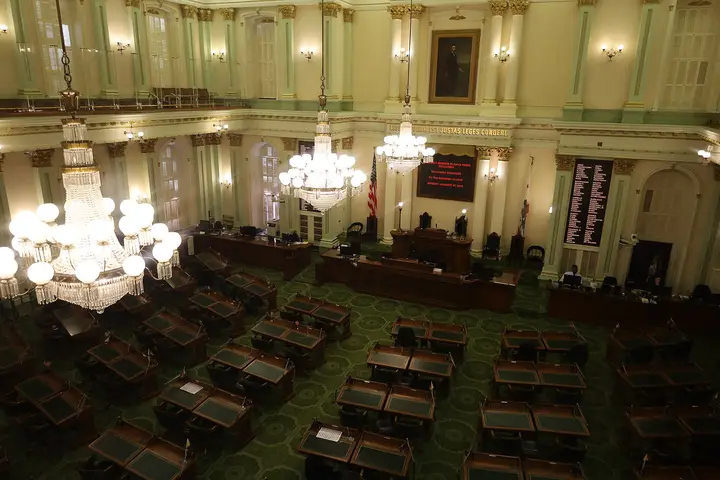
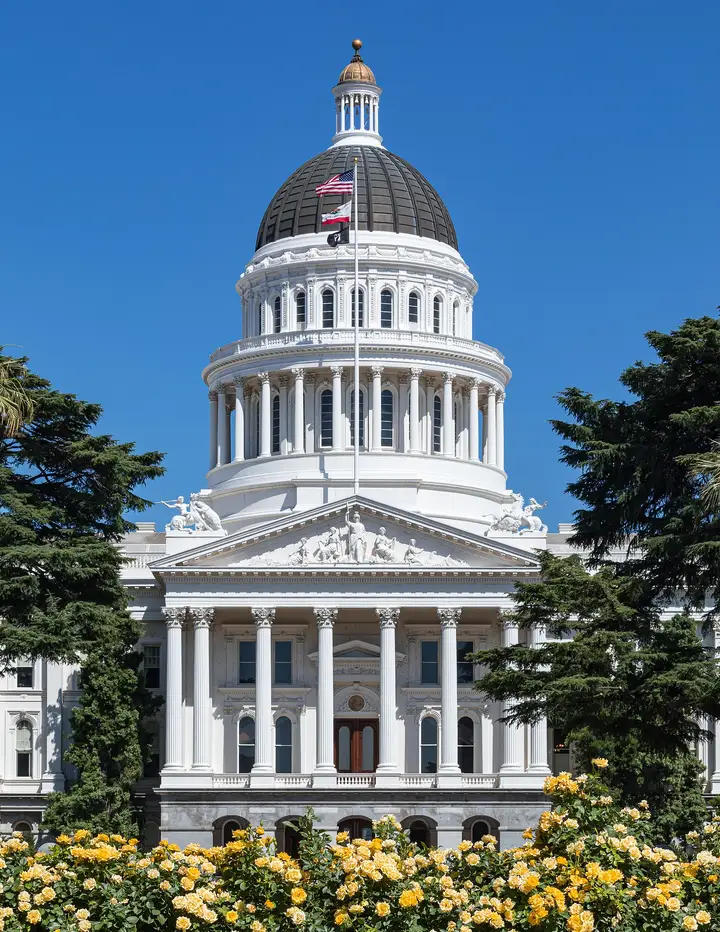
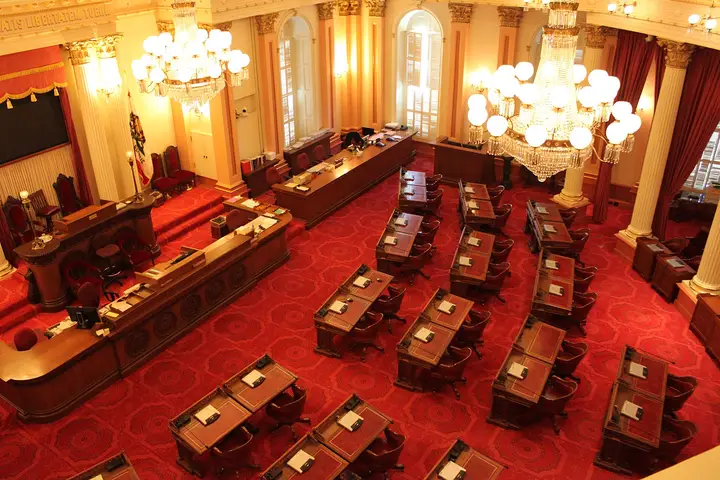
California has taken another step toward documenting the economic legacy of American slavery.
In September 2026, Governor Gavin Newsom signed Assembly Bill 2599, known as the Truth in Disclosure Act.
The legislation requires qualifying large companies operating in California to investigate and disclose whether they or their predecessors participated in or profited from slavery-related transactions.
The law applies to businesses meeting specified historical criteria and generating more than $100 million in annual worldwide gross receipts.
This represents an important shift in the reparations conversation. Rather than examining only government responsibility, the law also focuses attention on the corporations and financial institutions that benefited from enslaved labor and slavery-related commerce.
However, the legislation does not establish direct reparations payments to descendants.
Why it matters: Corporate disclosures could help establish a more complete public record of who profited from slavery, potentially informing future debates over financial accountability and restitution.
Illinois Reparations Program Faces Major Federal Legal Challenge
In Evanston, Illinois, one of America's most significant local reparations programs is facing a major legal challenge.
The city launched its reparations program in 2021 to address documented housing discrimination against Black residents. Eligible recipients have received compensation under the program, including payments of up to $25,000.
In October 2026, a federal judge permitted the U.S. Department of Justice to join a lawsuit challenging the program.
The Justice Department argues that the program's race-based eligibility requirements violate constitutional equal protection guarantees and federal fair housing law.
Supporters counter that the program responds to specific historical discrimination that harmed Black residents and their descendants, including segregation and discriminatory housing policies.
The outcome could have implications for how future reparations programs are designed and defended in court.
Why it matters: Evanston demonstrates that financial reparations can move beyond proposals into actual payments. Its legal battle also illustrates the constitutional challenges facing programs intended to remedy historical racial discrimination.
New York Moves Closer to Reparations Recommendations
New York's statewide reparations commission is working toward a major milestone.
The New York State Community Commission on Reparations Remedies was established to examine the legacy of slavery and subsequent discrimination and recommend possible remedies.
According to its published 2026 work plan, the commission scheduled its final report for December 2026.
That report could influence future legislative discussions involving compensation, economic development, historical accountability, and other forms of restitution.
Meanwhile, New York City is advancing a separate reparations study.
A November 2, 2026, public notice outlined a proposed research contract valued at up to $1.2 million with Teachers College. The project would examine historical racial harms, New York City's financial growth, and potential reparations recommendations.
The city is accepting public comments on the proposed contract through November 13, 2026.
Why it matters: New York's efforts could produce additional evidence and policy recommendations for reparations, although neither study itself guarantees direct payments.
Congress Continues to Consider Federal Reparations Legislation
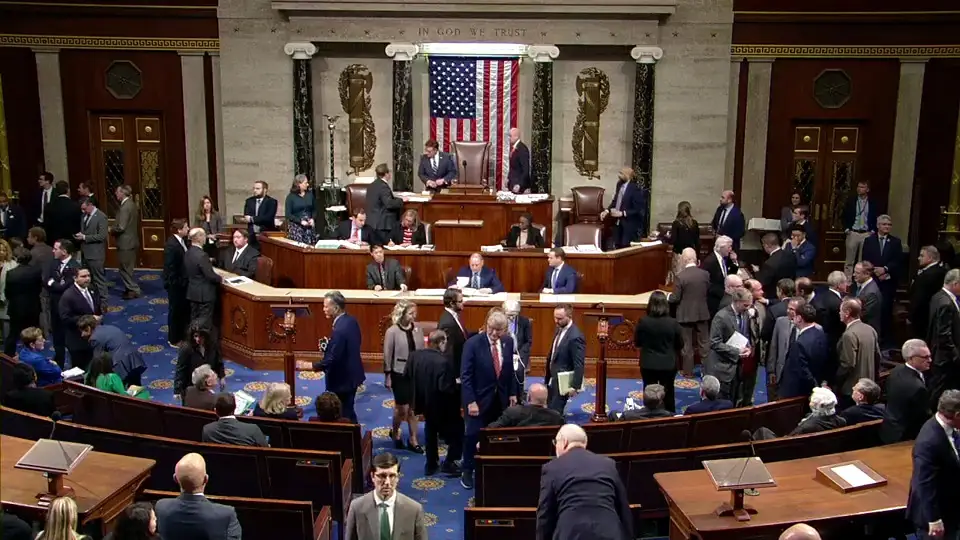
At the national level, legislation remains an important part of the movement.
H.R. 40, the Commission to Study and Develop Reparation Proposals for African Americans Act, seeks to establish a federal commission to investigate slavery's continuing effects and recommend appropriate remedies.
The legislation has not become law.
Another proposal introduced in March 2026, the Land Reparations Commission Act, would establish a commission focused on land reparations for descendants of American slavery.
These proposals highlight an unresolved question: Should reparations be addressed through individual state and local programs, or through a comprehensive federal framework?
For descendants whose ancestors were enslaved under American law, the federal government's historical role remains central to the debate.
The Bigger Question: Where Are the Reparations?
Although legislative and investigative efforts are advancing, there is still no comprehensive federal reparations payment program for descendants of American slavery.
California has passed disclosure and institutional measures. New York is developing recommendations. Evanston has delivered payments but faces litigation.
These efforts represent different stages of the reparations process, not a completed national settlement.
For advocates of lineage-based reparations, the central issue is not simply whether America acknowledges its history. It is whether the country will establish a meaningful remedy for the descendants of those who endured slavery and the generations of discriminatory policies that followed.
That discussion includes direct financial compensation, property restitution, inheritance, and policies addressing documented economic losses.
Reparations Is Not Charity. It Is a Question of Justice and Inheritance.
The American economy was shaped in part by generations of uncompensated Black labor. Enslaved people produced wealth while being denied the ability to own themselves, control their earnings, or freely pass accumulated property to their descendants.
After emancipation, discriminatory laws and practices continued to restrict opportunities for wealth creation and inheritance.
The demand for reparations asks America to confront that history through measurable accountability.
At Reparations News, we believe the conversation must extend beyond symbolic recognition and toward meaningful restitution for eligible descendants of American slavery.
The debt did not disappear simply because generations passed. The question is how America will address it.
As 2026 draws to a close, the movement faces a defining challenge: transforming historical documentation, legislative proposals, and public recognition into lasting economic repair.
Reparations News will continue following legislative developments, legal challenges, and efforts to secure lineage-based reparations across the United States.
RELATED REPORTING & OFFICIAL SOURCES
- CalMatters — California's new corporate slavery disclosure law
- WBEZ — Federal challenge to Evanston reparations
- New York City — November 2026 reparations research notice
- Congress — Land Reparations Commission Act
Editorial note: Proposed legislation and studies should not be interpreted as approved compensation programs.
Follow the Legislation · Read the Five Requirements of Reparations · Get Reparations News Updates
See the receipts · 3 primary sources
Civic action dispatch
Now act on it
A debt documented is not yet a debt collected. See it, prove it, force it.
- 01Federal + state bills
Step 01 · Monitor
Track the bills
Follow active reparations measures in Congress and the states.
Open tracker - 023,142 counties
Step 02 · Document
Verify the receipts
Find slave schedules, Freedmen's records and land deeds in your county.
Search your county - 03Scripts + caucuses
Step 03 · Mobilize
Organize your district
Call your lawmaker, reach your Black Caucus and start a local group.
Get the playbook
Priority action · 30 seconds
Call your state lawmaker today
Copy the script, then find your representative's number on the community page.
The Reparations Brief
Stay Informed.Stay Connected.Know Your History.
Get important reparations developments, historical research, legislative updates, and original reporting delivered to your inbox.
We use your email only to send The Reparations Brief. Unsubscribe anytime. See our Privacy Policy.