Take ActionContact Officials
How to Contact Your Representatives About Reparations
Finding your officials and requesting action on the reparations debt owed to descendants of American slavery.

Contact the officials who represent your address, identify a specific reparations request and ask for a written position. A clear constituent message is easier to evaluate than a broad demand sent to the wrong office. It cannot guarantee a response, meeting or vote.
Reparations are a debt owed to descendants of American slavery. Our messages should identify that lineage-based claim and explain why federal responsibility is central.
Start with the office that can act
The House’s official representative finder identifies your congressional district. If your ZIP code crosses district boundaries, follow its instructions to narrow the result using your address. The Senate directory links to your state’s senators and their contact pages.
The District of Columbia and U.S. territories have different representation arrangements. Not every address has a voting House member and two senators.
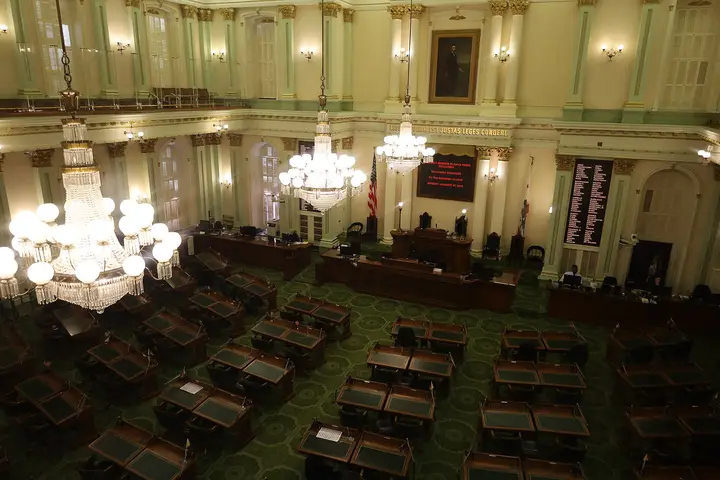
For state proposals, use the legislature’s official member finder. For local initiatives, consult the city or county website. Match the request to the authority: a council member cannot enact federal compensation; a member of Congress cannot independently deliver a city program.
Local action can matter without replacing the national obligation explained in Reparations: Our Rightful Inheritance.
Check the proposal before naming it
Confirm the bill number, chamber, Congress or session, sponsor, text and latest action. Numbers are reused. Earlier reporting may describe a different version.
Does the measure authorize research, create an agency, define beneficiaries, appropriate money or establish benefits? A commission proposal should not be described as an enacted payment program. Read the operative provisions, not only the title.
Use the Legislation Tracker to locate official records and Inside the Federal Reparations Debate for context. If you cannot confirm status, ask about the policy rather than assert an uncertain fact.
Make one request a staff member can record
Choose an action within the office’s authority: explain a position, consider sponsorship, support a hearing or address an eligibility provision.
Include your constituent location, the verified proposal, a brief reason and one request. Ask a question inviting a substantive response.
Distinguish restitution for descendants of American slavery from general antipoverty spending or diversity initiatives. The argument concerns a historical debt and lost inheritance—not a promise that every Black person meets a particular program’s rules. Keep the first message focused; offer additional evidence separately.
A model message to personalize
This is a model, not a quotation from an actual constituent:
Dear Representative or Senator [Name],
I live in [city and ZIP code] and am writing about federal reparations for descendants of people enslaved in the United States.
I support treating this as national responsibility for uncompensated labor and the inheritance denied to affected families. General assistance should not automatically be presented as settling that debt.
Please explain your position on [verified proposal or specific policy question]. I ask you to [one action within the office’s authority].
How would you ensure that a resulting framework defines beneficiaries, offers accessible documentation procedures and connects recommendations to funded repair?
Please send a written response addressing this request.
Personalize the reasoning. Do not claim ancestry you have not established or attach a family archive merely to make a message persuasive.
Choose a channel and protect your information
Official web forms, calls and letters are ordinary options. The Senate advises addressing policy correspondence to your own senators and including a return postal address.
Provide verification information requested by the official channel. Do not send Social Security numbers, bank information, DNA results or relatives’ sensitive records in an ordinary policy message. Read the privacy notice. Remove your home address and personal details before posting a letter publicly.
For a call, use a shorter version of your request and ask staff to record your position. Check applicable consent law and office rules before recording a conversation.
Follow up without assuming access
Save the message, confirmation and reply. If a response misses the question, send a concise follow-up identifying the unanswered point. You may request a staff meeting, but availability varies.
A courteous conversation is not documented support. An automated acknowledgment is not a commitment. Evaluate officials through recorded positions and actions.
If a hearing becomes available, How to Testify at a Public Hearing explains how to prepare a separate submission. A well-kept contact log helps you follow through without confusing activity with policy change.
See the receipts
See the receipts · 3 primary sources
Civic action dispatch
Now act on it
A debt documented is not yet a debt collected. See it, prove it, force it.
- 01Federal + state bills
Step 01 · Monitor
Track the bills
Follow active reparations measures in Congress and the states.
Open tracker - 023,142 counties
Step 02 · Document
Verify the receipts
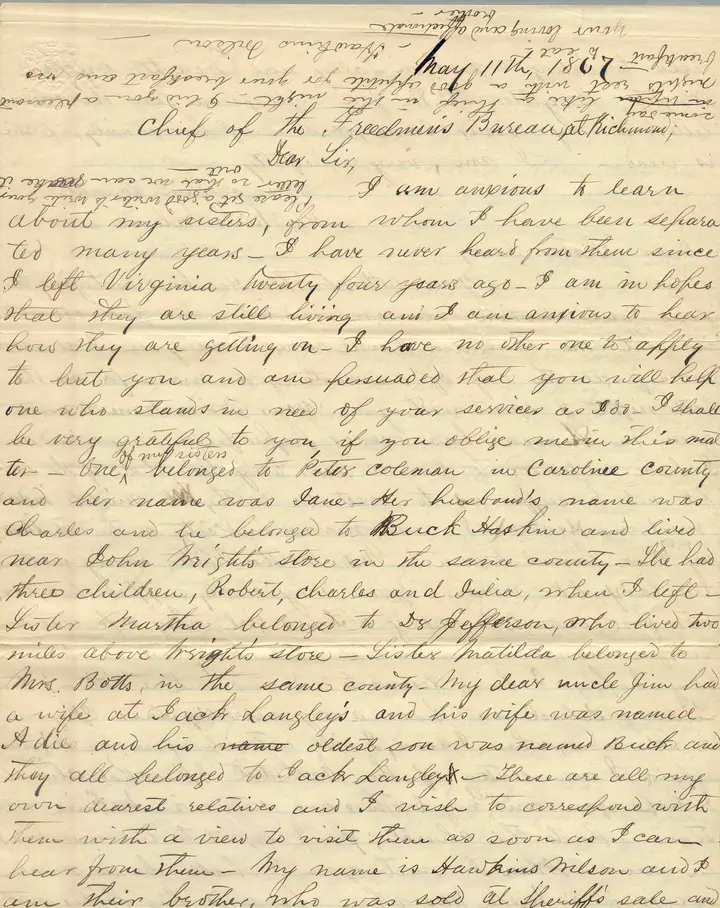
Find slave schedules, Freedmen's records and land deeds in your county.
Search your county - 03Scripts + caucuses
Step 03 · Mobilize
Organize your district
Call your lawmaker, reach your Black Caucus and start a local group.
Get the playbook
Priority action · 30 seconds
Call your state lawmaker today
Copy the script, then find your representative's number on the community page.
The Reparations Brief
Stay Informed.Stay Connected.Know Your History.
Get important reparations developments, historical research, legislative updates, and original reporting delivered to your inbox.
We use your email only to send The Reparations Brief. Unsubscribe anytime. See our Privacy Policy.